
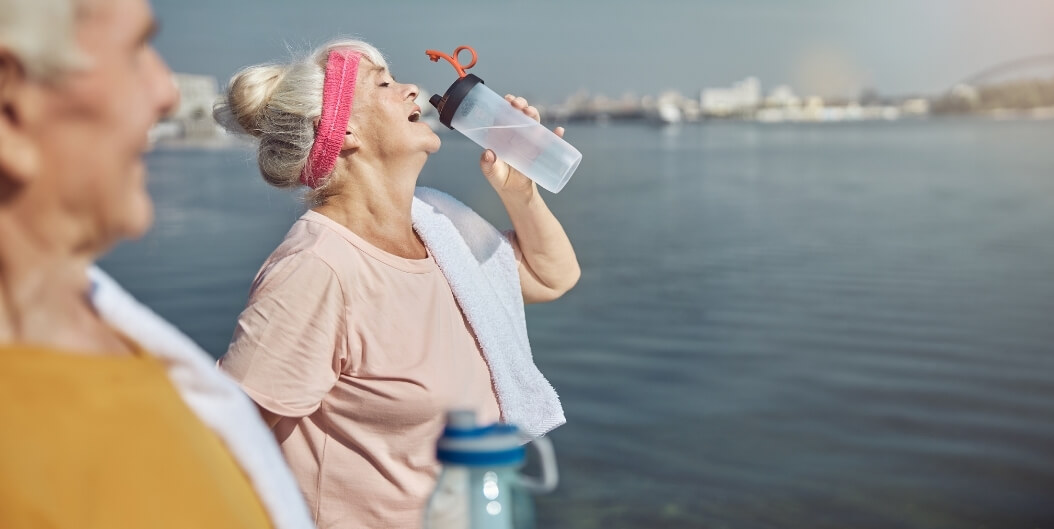
How Does Better Hydration Support Active Seniors in Independent Living?
Hydration is the least glamorous topic in wellness and quite possibly the most useful. It requires no equipment, no class, and no particular skill. Yet the difference between someone who drinks enough throughout the day and someone who does not shows up in energy, thinking, steadiness, and mood, often within hours.
If you are living an active life, taking part in activities, walking, gardening, or simply being on the go more than you were a few years ago, your fluid needs deserve a little attention. Here is what better hydration actually does for you, why it gets trickier with age, and how to build habits that stick.
One note before we go further. Fluid needs vary from person to person, and certain health conditions or medications call for specific guidance. It is always worth a quick conversation with your doctor about what is right for you rather than following a general rule.
Why Staying Hydrated Gets Harder as You Get Older
This is the part that surprises people, because nothing about your habits changed.
The sensation of thirst becomes less reliable with age. You can genuinely need fluids without feeling thirsty, which means waiting until you want a drink is no longer a dependable signal. The body also holds less water in reserve than it once did, so the buffer is thinner.
There are practical reasons too. Some people cut back on fluids in the evening to avoid getting up at night. Some medications increase fluid loss. And if you are busier than you used to be, hours can pass in the middle of a good day without a single glass of water.
None of that is cause for alarm. It simply means hydration becomes something you plan a little rather than something you leave to instinct.
How Better Hydration Shows Up in Your Daily Energy
The most immediate effect of good hydration is on how you feel, and the most common symptom of falling short is fatigue.
That mid-afternoon slump, the heavy feeling after a morning of activity, the sense that you would rather sit this one out: these are frequently fluid-related rather than age-related. Many people who start drinking more consistently report within a week that their afternoons feel noticeably different.
The reason is straightforward. Fluids are how your body moves nutrients where they need to go and clears out what it does not need. When you are running low, everything works a little harder for a little less result, and that shows up as tiredness long before it shows up as anything more obvious.
For anyone taking full advantage of a busy calendar through the THRIVE lifestyle program, that energy matters. A day with a morning class, lunch with friends, and an afternoon outing asks something of you, and adequate fluids are part of what makes that pace enjoyable rather than exhausting.
Hydration and Clear Thinking
This connection gets far less attention than it deserves.
Mild dehydration affects concentration, short-term recall, and mental sharpness. Words come slower. Focus wanders. You reread the same paragraph twice. It is easy to attribute those moments to age, when sometimes the honest explanation is that you have not had much to drink since breakfast.
The encouraging part is how quickly it responds. Unlike many wellness factors that take weeks to shift, fluid balance often improves within the same day. Plenty of people notice that a glass of water and twenty minutes clears a foggy stretch that felt like something more serious.
Mood follows a similar pattern. Irritability and low spirits can both trace back to something as simple as not drinking enough, particularly on warm days.
Staying Hydrated Supports Steadiness and Comfortable Movement
Balance depends on more than muscle strength, and fluid balance plays a genuine role. Dizziness on standing is one of the more common signs of running low, and it is exactly the kind of moment that matters when you are getting up from a chair or stepping off a curb.
Joints benefit too. Cartilage and the fluid that cushions your joints are largely water, so being well hydrated tends to make movement feel smoother. Anyone who walks regularly, gardens, or takes part in exercise classes usually notices the difference in how the body feels afterward.
Digestion is on the list as well. Adequate fluids help everything move along comfortably, which is a quiet but real contributor to feeling good day to day.
Hydration in Alabama Heat and on Active Days
Summers here ask more of you than most people account for.
Warm, humid weather increases fluid loss even when you are not doing anything strenuous, and humidity means sweat evaporates less efficiently, so you may not realize how much you are losing. An hour in the garden on a July afternoon can take more out of you than a much longer walk in October.
The practical approach is to drink before you go out rather than only after you get back, carry water with you on outings, and favor mornings and evenings for outdoor activity when you can. Air conditioning helps enormously, but it does not remove the need for fluids.
The same principle applies away from home. If you are heading out to local spots around Montgomery or traveling after retirement, bring a water bottle. Travel days in particular tend to be long, dry, and easy to get through without drinking much at all.
Simple Hydration Habits That Actually Stick
Habits beat intentions every time. A few that work well:
Anchor drinks to things you already do. A glass when you wake, one with each meal, one when you take medications, one before bed if that suits you. Six anchor points, no counting required.
Keep a bottle where you sit. Visibility drives consumption more than willpower does. A bottle on the side table gets drunk. A glass in the kitchen does not.
Front-load the day. If getting up at night is a concern, weight your fluids toward morning and afternoon rather than cutting back overall.
Make it appealing. Cold water goes down more easily than room temperature for most people. Lemon, cucumber, or a splash of juice makes it more interesting.
Drink socially. Meals in the dining room, coffee with a neighbor, and iced tea after an activity all count, and they are far more pleasant than dutifully finishing a glass alone.
Foods and Drinks That Support Better Hydration
Water is the foundation, but it is not the only contributor, and this is welcome news for anyone who finds plain water dull.
Soups, broths, watermelon, cucumbers, oranges, grapes, tomatoes, lettuce, yogurt, and gelatin all carry meaningful water content. Milk hydrates well. Herbal teas count. Even coffee and regular tea contribute more than the old warnings suggested, though they should not be your only source.
This is one of the practical advantages of having three homestyle meals prepared daily through the Rooted Culinary Program. Meals built around fresh, seasonal ingredients, with soups, fruit, and vegetables in regular rotation, quietly contribute to your fluid intake without any effort from you. Hydration also works alongside the essential nutrients your body needs as you age, since fluids are what carry those nutrients where they need to go.
Go easy on alcohol and very sugary drinks, which work against you rather than for you.
Signs Your Hydration Could Use Some Attention
Worth noticing rather than worrying about:
- Dry mouth or lips
- Feeling dizzy or lightheaded when standing
- Headaches with no other explanation
- Unusual fatigue in the afternoon
- Darker urine than usual
- Skin that stays tented briefly when pinched
- Trouble concentrating on something you would normally follow easily
Most of these resolve quickly with more fluids. If they persist, or if you feel confused, unusually weak, or notice a rapid heartbeat, that is worth a call to your doctor rather than another glass of water.
Common Questions About Hydration for Active Seniors
How much should I drink? It depends on your health, medications, activity level, and the weather. Ask your doctor for a target that fits you specifically.
Does coffee still count? Yes, it contributes, though water and other unsweetened drinks should carry most of the load.
What if I do not like plain water? Then do not rely on it. Flavored water, milk, herbal tea, soups, and water-rich fruits all work.
Should I drink less to avoid nighttime trips? Shifting the timing works better than reducing the total. Talk with your doctor if it remains a concern.
What Better Hydration Adds Up To
Staying well hydrated supports steadier energy through the afternoon, clearer thinking, better balance, more comfortable joints, easier digestion, and a more even mood. It also makes warm Alabama days considerably more pleasant.
It costs nothing, takes no time, and pairs naturally with the rest of an active life. Few habits give back this much for this little effort.
Raise a Glass to Vibrant Days at Asher Point Independent Living of Montgomery
At Asher Point Independent Living of Montgomery, wellness is woven into ordinary days rather than treated as a separate project. Our residents enjoy three homestyle meals prepared daily with seasonal ingredients, a full calendar of activities and events, scheduled transportation for outings, and beautifully reimagined common areas where neighbors gather over a cup of something cold. It is all-inclusive independent living designed to make healthy days feel effortless.
Come see how it feels in person. Reach out to our friendly team to arrange a visit, tour the community, meet a few residents, and stay for a meal with us. We would love to welcome you.


